If you have a big meeting on Thursday and a sagging jawline that bothers you every morning, a PDO thread lift can feel like a clever middle path. It is a minimally invasive lift that tightens and contours without the full commitment of surgery. But the practical question decides the date on your calendar: how much downtime, and when can you show up at work without looking “done”?
I have guided hundreds of patients through PDO threading treatment plans for the face and neck. The patterns are consistent, yet small choices matter a lot. Thread type, technique, your tendency to bruise, even how expressive your job is, all shape how quickly you look presentable. Here is how I help people plan real schedules around a PDO thread lift procedure, without wishful thinking or false promises.
What actually happens during a PDO thread lift
Polydioxanone threads are dissolvable sutures, similar to what surgeons have used safely for decades. In aesthetics, we use them to reposition tissue and trigger collagen. Two broad categories apply to most facial thread lifting:
- Lifting threads, often barbed or cogged, that anchor in deeper tissue to elevate sagging skin, such as jowls, cheeks, or a softening jawline. Smooth or twist threads, finer strands placed more superficially for collagen stimulation in areas like smile lines, marionette lines, or under the chin.
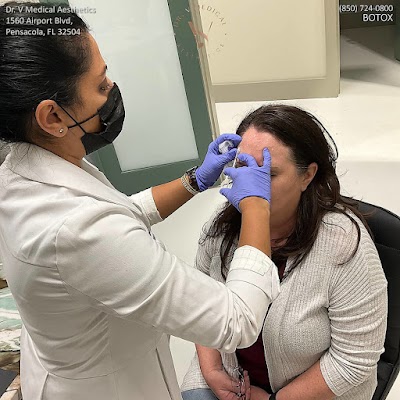
A typical PDO thread lift treatment begins with photos and skin marking, then local anesthesia at entry and exit points. Cannulas place the threads along a planned vector. The thread grips, tissue is gently adjusted, and the tail is trimmed. You walk out the same day, which is why people think of it as a non surgical facelift. That is accurate, but only up to a point. Your face and neck have been worked on with multiple passes, and that produces swelling, mild inflammation, and sometimes puckering that needs a little time to settle.
The fast answer: when most people return to work
For a desk job with minimal public interaction, many patients are comfortable returning within 24 to 72 hours after a PDO thread face lift. Swelling is often at its peak in the first 48 hours, then eases. Makeup can camouflage minor bruises once your clinician gives the green light, usually after day two.
If your work is public facing or high definition, such as sales, broadcasting, or hospitality, plan for 3 to 7 days. Visible rippling at the entry points, dimpling along the vectors, or uneven swelling is common early. These usually settle within a week as the tissues relax and the threads seat.
Jobs that involve heavy lifting, bending, heat exposure, or helmets need more caution. A safe window is usually 1 to 2 weeks before resuming physically strenuous tasks. Pressures and movements can shift a fresh lift. That is especially relevant for a PDO threads lift for jowls or cheek lift where tension lines are at risk.
What determines your downtime
There is no single clock for everyone. A few practical levers define how quickly you look and feel work ready.
The number and type of threads. More lifting vectors, more entry points, and barbed threads mean more swelling risk. A two vector cheek and jawline treatment is lighter than a comprehensive lower face and neck tightening.
Where the threads go. PDO threads for cheeks and jawline tend to behave predictably, with most swelling settling within 3 to 5 days. PDO threads for neck tightening can bruise more and feel tight when you turn or look down, which stretches the timeline. Under eye or temple work uses smoother threads and has a higher chance of bruising because vessels are fine and plentiful. PDO threads for forehead or an eyebrow lift can produce forehead heaviness and short term asymmetry that needs a few extra days.
Your baseline skin and tissue. Thinner skin shows ripples and track marks more visibly. Heavier tissue holds swelling longer. If you bruise easily, expect that to show.
Your provider’s technique. Skill with vectors, depth, and exit point placement matters. Good technique means fewer passes, less trauma, and cleaner recovery. That is a tangible reason to search beyond a quick pdo thread lift near me result and vet credentials.
Your post care. Ice, head elevation, avoiding heat and heavy exercise, sleeping on your back, and not over moving your mouth can shorten the obvious downtime. Neglecting those basics stretches it.
A realistic week, three ways
People like precise plans because they have flights, keynotes, or school pickup. Here are three composites from my notes that mirror common jobs.
The desk lead. A 42 year old tech manager had a PDO thread facelift focused on jawline contouring and mild cheek elevation. Ten barbed threads, five per side, plus two smooth threads under the chin for collagen stimulation. She iced the first day, slept elevated, and skipped salty food. Bruising was faint yellow by day three, makeup covered it. Back on Zoom by day two with her camera slightly softened. She avoided the gym for 10 days, then eased back into cardio.
The on camera professional. A 38 year old anchor had cheek lift, jawline, and softening of nasolabial folds. Twelve lifting threads plus collagen boosting smooth threads near the smile lines. Dimpling near the midface lasted four days. She had a light skin tone that shows every mark, so we blocked a week. By day six, the lift looked crisp and the puckers resolved. She used a gentle color corrector and returned on air day seven.
The fitness instructor. A 47 year old with mild jowls and neck laxity. Barbed threads along the jawline and two vectors down the neck. He wanted to teach high intensity classes. We scheduled the PDO threading treatment on a Friday, he took the following week off teaching but still did desk tasks. He resumed cycling classes at day 10 and waited until two weeks to resume impact and heavy weights. The neck felt tight turning left for a week, which is normal. By week three he forgot the sensation entirely.
What your face may do in the first 10 days
Mild to moderate swelling peaks at 24 to 48 hours. This is predictable inflammation from the cannula passes. Cryotherapy in short intervals and head elevation at night help.
Bruising ranges from none to a few dime sized patches that migrate yellow as they resolve. The under eye and temple are most bruise prone. Arnica can help some people, but avoid blood thinners and high dose fish oil before treatment to reduce risk. Confirm with your clinician before stopping any prescribed medications.
Dimpling or puckering along the thread path appears as small gathers in the skin. This is the barbed thread gripping tissue. It almost always relaxes within 3 to 7 days. Gentle surface massage is sometimes advised by the injector at a checkup, but do not self massage unless asked.
Tightness or pulling when you smile, yawn, or turn your neck is common, particularly after a jawline or neck lift. This sensation fades as swelling drops and the threads nestle in. Expect 1 to 2 weeks for full ease.
Numbness or tenderness at entry points can last days to a couple of weeks. Tiny scabs at insertion sites should be left alone.
Desk work, public roles, and manual jobs: planning your return
Here is the short version most patients want to screenshot.
- Desk or remote work with limited meetings: 1 to 3 days Public facing roles or high definition cameras: 3 to 7 days Manual labor, heat, helmets, or heavy lifting: 1 to 2 weeks High intensity exercise or impact sports: 2 to 3 weeks Big life events, close up photos, or reunions: schedule treatment 3 to 4 weeks prior
These windows assume a standard PDO thread face lift with barbed threads for the lower face and possible smooth threads for finesse. If you are doing only smooth PDO threads for wrinkles or small touch ups like fine marionette lines, your downtime might be almost nothing. If you are combining treatments such as filler, energy devices, or a nose lift or lip lift with threads, expect a broader window.
Makeup, meetings, and small tricks that help
Most people can wear light mineral makeup by day two. Avoid heavy pressure or vigorous blending near entry points. Color correcting concealers, especially green for redness and peach for bluish bruising, work better than piling on foundation.
Choose cooler meeting rooms and avoid hot studio lights for the first week if you can. Heat swells tissue and can prolong edema. If you run hot, keep a cool compress pack near your workspace for quick breaks.
Plan softer foods for three to four days. Wide yawns, big burger bites, and intense chewing won’t damage the lift most of the time, but they can tug and feel uncomfortable. This matters most after PDO threads for jawline and cheeks.
Sleep on your back for at least a week. A contour pillow or rolled towel on either side helps you stay put. Side sleeping can create asymmetric pressure on fresh lifts.
Hold dental work for two to three weeks. A long open mouth session strains vectors and can make the cheeks sore. Clear this timing with your injector and dentist.
How long results last, and why the timeline matters
PDO threads are absorbable. The thread material softens over 4 to 6 months and is typically resorbed by 6 to 9 months. The lift you see right away comes from mechanical repositioning. The longevity you feel over the next year comes from collagen induction triggered along the thread track. Most patients enjoy visible improvement for 9 to 18 months, influenced by age, skin quality, lifestyle, and how much lift was needed to start.
Why mention this in an article about downtime? Because the conservative early restrictions pay long dividends. The first two weeks set the stage for thread stability and collagen formation. Respecting the healing curve protects your result.
Side effects, risks, and red flags worth knowing
Normal side effects include swelling, bruising, tenderness, mild asymmetry that evens out, transient dimpling, and a sensation of tightness. These match what we have discussed.
Less common but important risks include pdo threads near me superficial thread visibility, infection at an entry site, thread migration, prolonged dimpling or puckering, and rare injury to a blood vessel or nerve. A small number of patients can feel a palpable thread end under the skin, which may need a quick trim or adjustment in clinic.
Reach out to your provider promptly if you see increasing redness and warmth around an entry point, spreading pain, thick discharge, fevers, or a sudden change in facial movement. Better to check early than wait.
Provider experience again matters. A clinician who understands facial anatomy, places threads in correct planes, and uses aseptic technique reduces most of these risks. This is worth more than a small price difference.
The cost side, for planning
Prices vary by city, provider expertise, and how extensive the lift is. A light PDO threads for face tightening touch up with a few smooth threads might start around a few hundred dollars. A comprehensive PDO thread lift treatment for lower face and jawline can run from the low thousands to several thousand per session. Neck tightening, temple lift, and add ons like PDO threads under eyes or for nasolabial folds add to the total. When you book consultations, ask for a plan that spells out vectors, thread count, brand, and expected number of sessions. Comparing line by line serves you better than headline price alone.
Special cases by area
Jawline and jowls. This is the most requested lift. Swelling is usually modest, and patients often feel camera ready by day three to five. A firm, sculpted edge appears early, then softens slightly as tissues settle. PDO threads for jawline contouring pair well with light de-bulking under the chin if needed.
Cheeks. Elevation here freshens nasolabial folds indirectly. Dimpling risk is slightly higher in the midface, so give yourself 3 to 7 days before major events. Smooth threads for smile lines or marionette lines add collagen but do not move tissue much, so they have shorter visible downtime.
Under eyes. Smooth threads only, to stimulate collagen and thicken crepey skin. Expect potential bruising and a puffy look for up to a week if you bruise easily. Schedule wisely if you do a lot of in person work.
Neck. PDO threads for neck tightening help horizontal lines and mild laxity. Recovery can feel tighter when you look down or rotate. Heat and gym work prolong swelling here. Plan 1 to 2 weeks before heavy activity.
Forehead and brow. An eyebrow lift with threads can open the eye, but early asymmetry is not rare because small differences in swelling show up more on the brow. A week is a good buffer if your job is public.
Nose or lip lift with threads. These are niche uses and operator dependent. Expect visible swelling and possible track marks that take up to a week to fade. Ask your clinician whether threads are truly the best choice, since fillers or surgical options may be more predictable for some noses or lip shapes.
Before and after, and what photos hide
Before and after images of a PDO thread lift result often show a tight jaw and lifted cheek. They rarely show day two, when one cheek looks a little higher than the other, or a faint track at the entry point. That middle stretch is normal. When you plan your return to work, assume you will live through that middle. Pick a treatment day that lets it happen in private, if that matters to you.
The quick rules that shorten downtime
- Cold compresses in short intervals the first 24 hours, then warm compresses after day two if advised Sleep supine with your head elevated for 5 to 7 nights No vigorous exercise, saunas, or hot yoga for 10 to 14 days Keep hands off the face, no massages or facials for two weeks unless your injector instructs otherwise Avoid alcohol, high sodium food, and blood thinning supplements for several days pre and post, according to your medical guidance
These are simple, but in my experience they make the difference between a tidy three day return and a puffy week.
Choosing the right provider when you search “pdo thread lift near me”
Good outcomes start with good planning. During consultation, ask to see maps of intended vectors and how many threads your clinician plans. Discuss whether your goals are better served by PDO threads for skin tightening, filler, energy devices, or a combination. For example, a heavy, full lower face will often benefit from de-bulking under the chin or along the jaw before or with a thread lift. A slim face with early laxity is ideal for a minimally invasive lift.
Confirm the brand of threads, whether they are barbed, cogged, smooth, or twist, and why those choices fit your anatomy. Ask about the expected PDO thread lift recovery curve, not just the headline downtime. You want clarity on bruise risk, puckering, activity limits, and how they handle adjustments.
Finally, ask how many of these procedures they do each week and per year, and request real patient photos that match your age range and skin type. Experience shows in the details.
Putting it together for your calendar
If you want a PDO thread lift before a key work week, aim to schedule it the Thursday or Friday prior. That gives you a quiet weekend for swelling to crest and drop. Monday you can often handle desk work or light meetings. If you present on stage or on camera, give yourself a full week. If you weld, lift, coach, or do construction, schedule it early in a vacation week or during a lighter duty stretch so you are not tempted to push.
Threads are not a magic wand. They are a precise tool for the right face at the right time. When used well, PDO threads for facial contouring can delay or complement surgery, lift a tired jawline, soften marionette lines, and nudge collagen in the right direction. The reward is looking fresher without obvious signs of a procedure. With a realistic plan for PDO thread lift downtime, you can step back into work when you mean to, and enjoy the result rather than explaining it.